Highlights
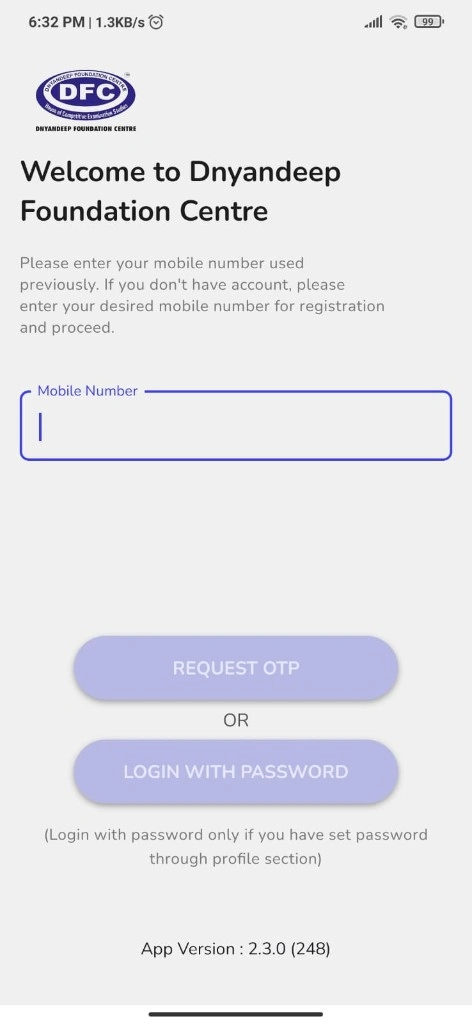
- Led the DFC mobile revamp on the existing Play listing: new TypeScript and TanStack Query codebase with auth/API integration and the full student onboarding flow built from scratch.
- Shipped a Firebase Crashlytics logger for fatal and non-fatal exceptions, with stack trace, API URL, and component context, plus selective axios interceptors that report actionable failures without flooding Crashlytics.
- One Play listing for students, teachers, and admins—role-based access in the same product, not separate apps.
- Shipped lazy-loaded navigators and startup-path refactors: p90 app start ~894 ms → 794 ms on production Android (~100 ms / 11.2% faster). Internal profiling showed ~5 MB less JS heap at Home idle after the same work. Deep-link navigation and offline usage for core flows.
- Optimized the production Android App Bundle on Google Play from 21.02 MB on an earlier production release to 15.9 MB new-install size today (5.12 MB / 24.36%) on the same listing.
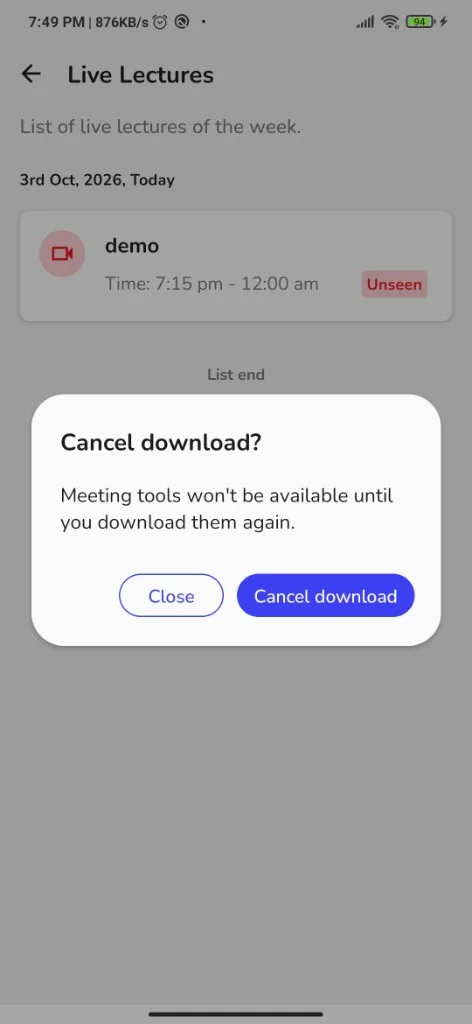
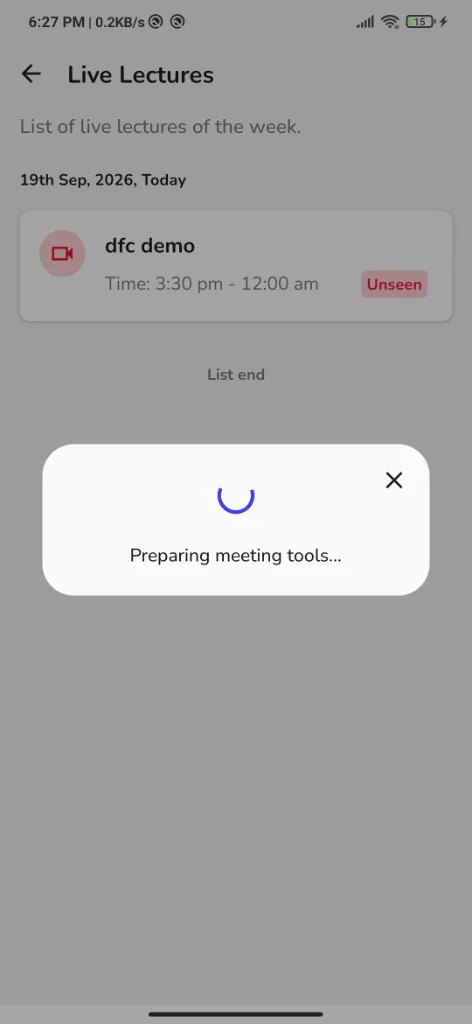
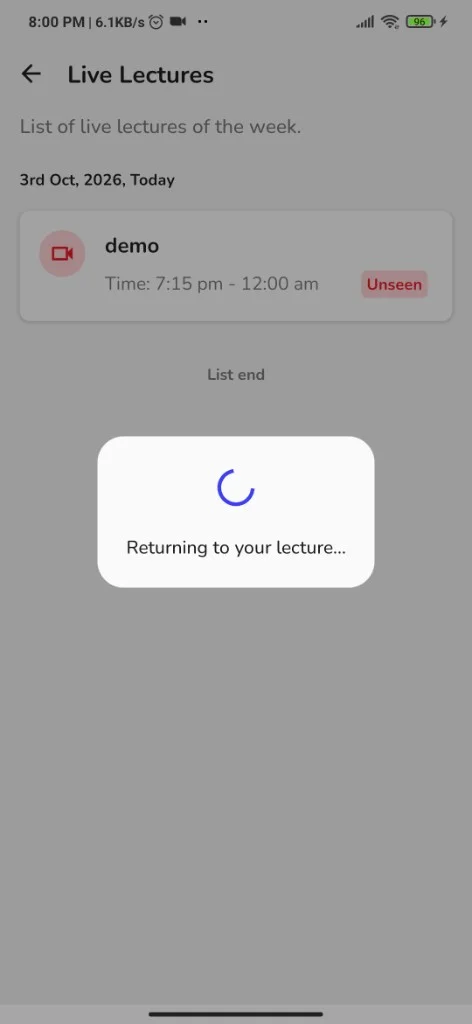
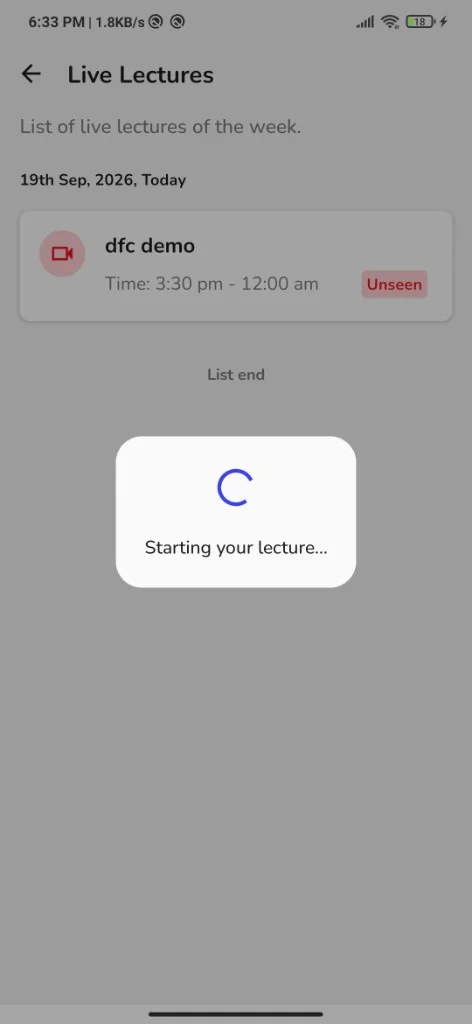
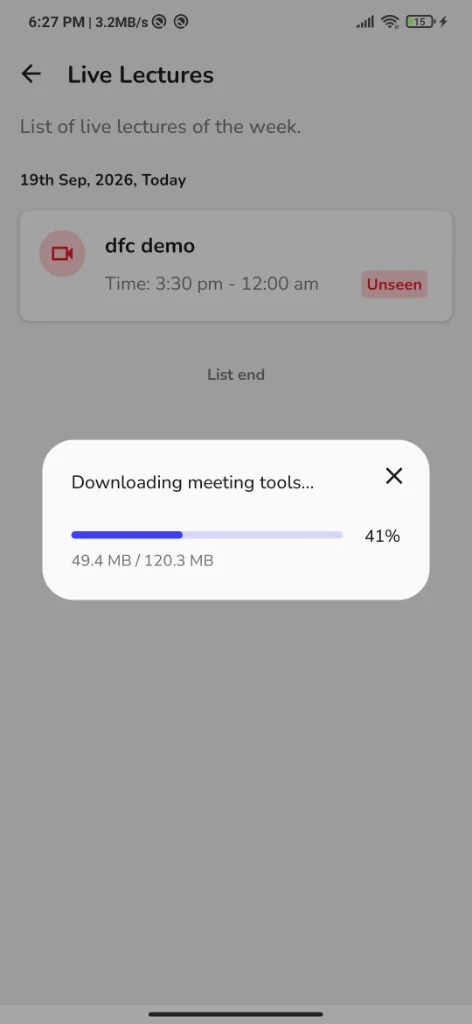
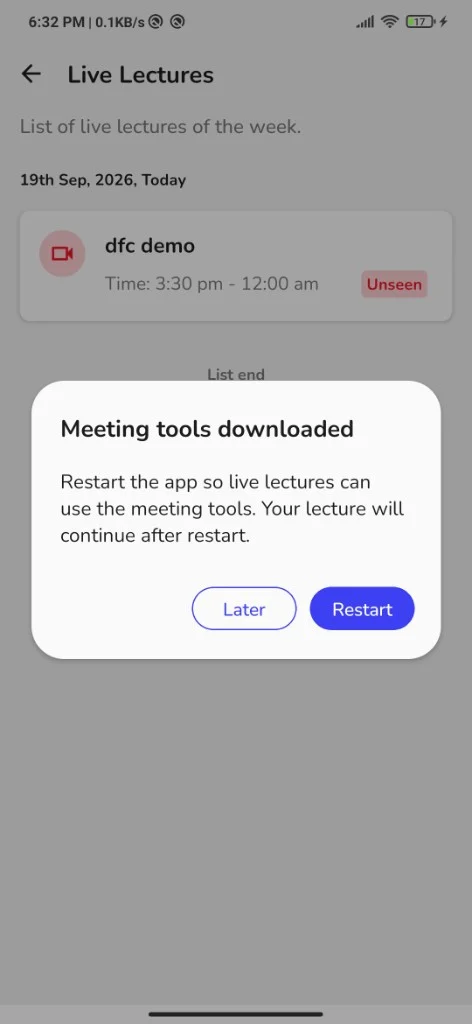
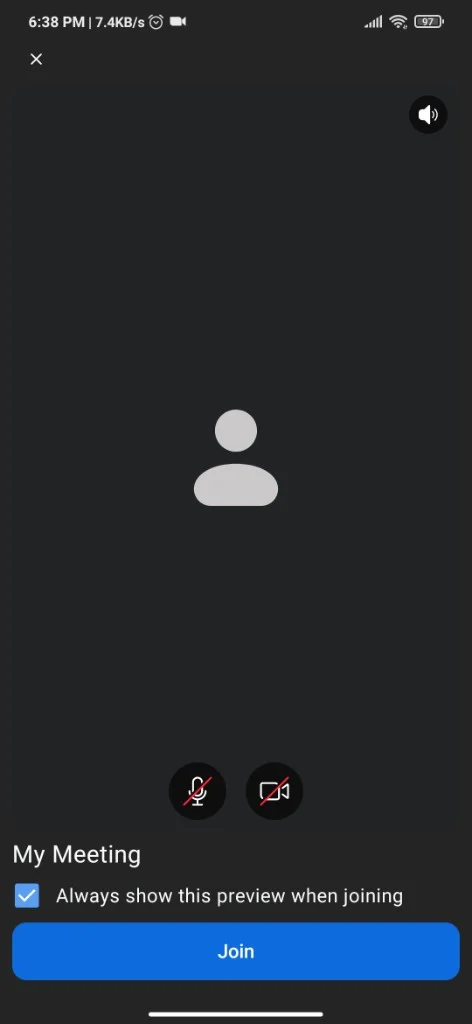
- Delivered Zoom via an on-demand Android Dynamic Feature Module (161 MB on Play) with download progress, cancel, and seamless post-install restart—cutting base download from 177 MB to 15.9 MB (9 s download, 94 s faster).
- Production stability: 0.1% user-perceived crash rate on current production (Google Play)—10.36% lower than baseline, achieved through structured crash monitoring, defensive error boundaries, and proactive stability fixes.
- Built form management and schema-based client validation using Formik and Yup across multi-step student onboarding, auth, and profile workflows with role-based routing.
- Engineered centralized Axios request interceptors to bridge dual API token conventions across legacy and modern endpoints without UI coupling.
- Consolidated duplicate empty and error state screens into shared status components — eliminating ~30 redundant files and cutting 700+ lines of duplicate code to prevent UI drift.
- Integrated OneSignal for push notifications and in-app messaging on the production app.
- Shipped Google Play in-app updates so users can install new releases from inside the app.
- Upgraded React Native from 0.76.5 to 0.81.0 to comply with Google Play target API policies and add support for modern Android versions (Android 15 and 16), updating dependencies, configuring edge-to-edge layouts, and validating cross-version behavior.